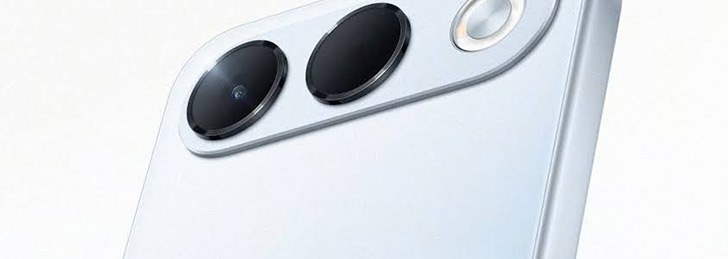
Oppo A7 Pro Max was their first device with a 10,000mAh battery, and it was unveiled last month. This new phone is a less impressive sibling. They want to launch the Oppo A7 Pro next week with a smaller but still decent 8,000 mAh battery. The teaser showed us its exact launch schedule today.

Friday, September 11, is the official day of its release, apparently. The post was made on Weibo by the company itself. This won’t be a global launch, though. It’s for China. This newcomer will debut and begin sales right away without any pre-orders.
We also saw the phone’s new design in the teasers, which has only a single-row camera bar and dual lenses. Oppo didn’t give any specifics on the front or back camera, but we assume there’s just one working lens on each side. They’ve been teasing the handset for a while, so we have plenty of other details. In this article, explore the latest Oppo Smartphone Price and discover new models for every budget.
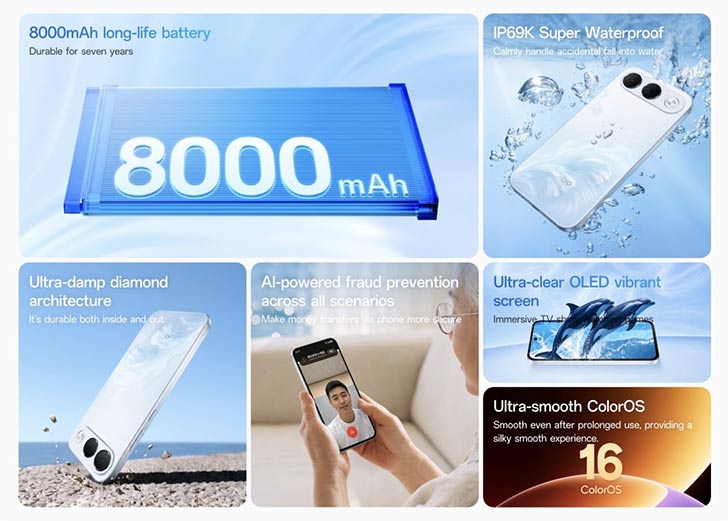
There’s Color OS 16 on the Oppo A7 Pro. The default UI is based on Android 16, not 17. So the software is already outdated. There’s an IP69K rating, so this has a wide operating range as well. Boiling pressurized water jets won’t damage this handset.
It also has an OLED screen, though its size is not given anywhere in the teasers. Again, the phone’s design in White color is already previewed in those posts, and the battery size also got confirmation. An 8000mAh cell is going to be the crown jewel of the Oppo A7 Pro.

It’s not just any battery picked at random by Oppo. They tested this cell for seven years of longevity, so it definitely has more than 2000 cycles under 80% health. You’ll need more context to understand how impressive that number really is.
Samsung Galaxy A57 is the best midrange device from the Korean company, and its battery has only 1200 cycles, which barely constitutes four years of longevity. Not to mention that the A57 has a puny 5000mAh battery that comes nowhere near the Oppo A7 Pro’s cell. This newcomer is already a leap ahead. Stay tuned for its official launch on September 11th.