Samsung now wants to double down on its chipset production for the Galaxy S series. Only 20% of the Galaxy S26 stock used Exynos 2600 chips in the last round. The rest of the stock was built around Snapdragon 8 Elite Gen 5, and that was a massive financial hit for the company.

A leak from Wccftech pointed out that the new Exynos 2700 chip will be found in 50% of Galaxy S27 handsets. It seems the company is being forced out of its dependence on Qualcomm. The surging chipset prices are one reason.
The company had to fork over 3 billion dollars last year to secure a chunk of 8 Elite Gen 5 production for its phones. That cost would have been even higher if it weren’t for the Exynos 2600. It turns out, they had to pay Qualcomm at least $280 per chip. The cost was marginal for all the Exynos 2600 units.
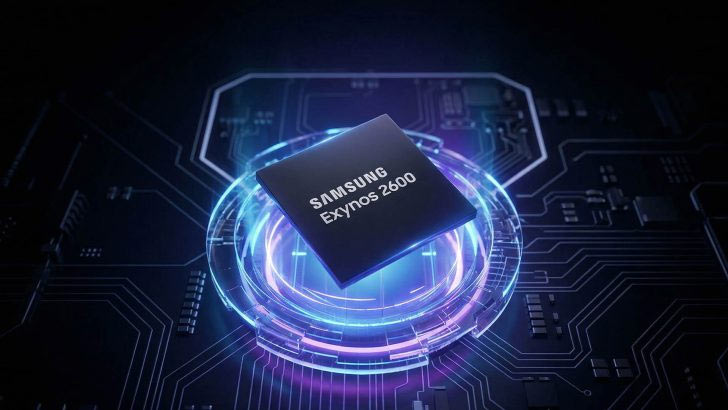
Samsung learned a valuable lesson there. They are putting all their eggs in one basket, hoping the Exynos 2700 will save the day next year. And the gamble could pay off. But there’s a catch. Chipset production is never easy, which is why Samsung has been stumbling from one debacle to the next.
They saw yield issues with Exynos 2500. That’s why the entire Galaxy S25 stock was made with Snapdragon that year. And they were only able to produce a small amount of stable Exynos 2600 chipsets in the last round. 50% of all latest Samsung S model phones having Exynos 2700 is an optimistic figure.
All of this readjustment benefits the company, but what about the consumers, you may ask. Well, the Exynos chipsets have garnered a bad name because of heat management issues and the lack of raw power. They barely keep up with the Qualcomm chips of the same generation.
Exynos always falls behind Snapdragon, so paying the same amount only to get shafted by worse performance sounds ridiculous to some buyers. And we don’t think the Exynos 2700 will make that any less true. So if the leak is accurate, and Samsung actually went through with it, more regions will see the performance disparity. So yes, this is purely for the benefit of the company, not the users. Keep watching the news for more updates.