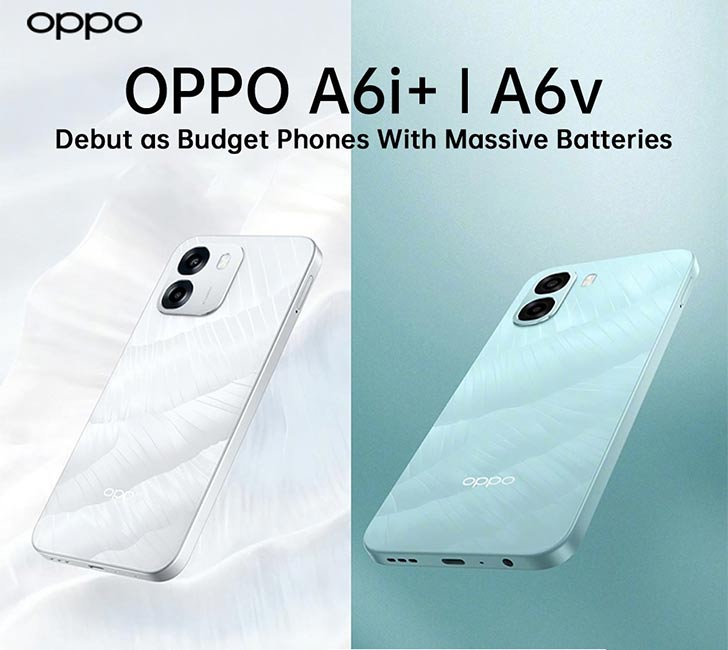
Two new phones have been added to the A6 series. But keep in mind that they are only exclusive to China for now. These newcomers are titled Oppo A6i+ and Oppo A6v. Their names may be different, but most of their specs match on paper. One has a bigger battery and a higher IP69 rating. The other grabs a better selfie camera.
The screen on top, on either device, is a 6.75” IPS LCD that has a 120Hz refresh rate and 1,125 nits brightness. Its resolution is obviously capped at 720p, as it was on the older Oppo A6i. Both new versions have a punch hole, and the colors hit 100% sRGB in natural mode.
Oppo A6i+ grabs a 5MP selfie. Meanwhile, they’ve put an 8MP front sensor on the Oppo A6v. The selfie will definitely be higher quality on the latter. They have the same rear camera, though. It’s a 50MP main unit with a 2MP auxiliary monochrome sensor.
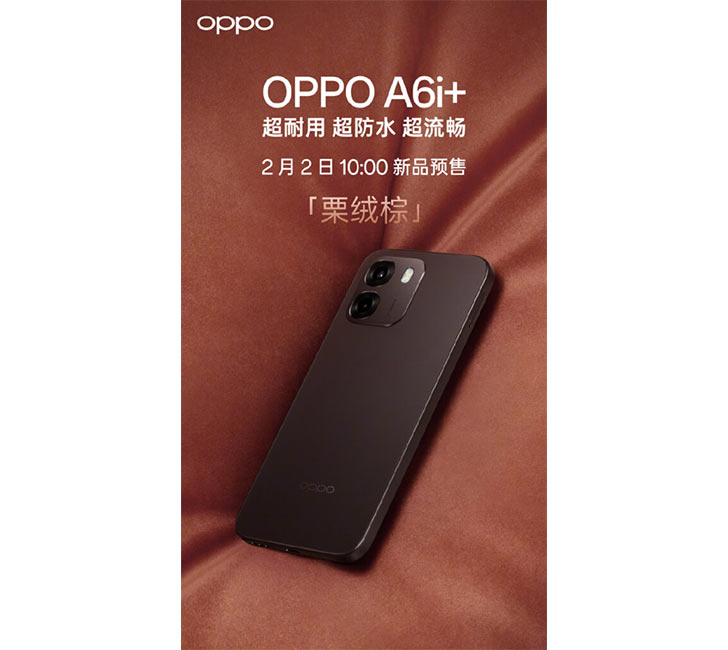
There’s no difference in performance because both A6i+ and A6v have the same Dimensity 6300 platform. That means a 2.4 GHz clock speed and a Mali G57 integrated GPU. That’s an entry-class SoC. Their default OS seems to be Android 15 and ColorOS 15. Here is an overview of the Oppo price catalog, categorized by segment, covering flagship, mid-range, and budget models.
Their fingerprints are on the side because of the lack of AMOLED. The A6i+ has a far better IP69 rating, though the A6v version only secured an IP64 rating. It’s barely safe from the water splashes. Each phone does have Wet Touch support, so the screen works even if it’s damp.
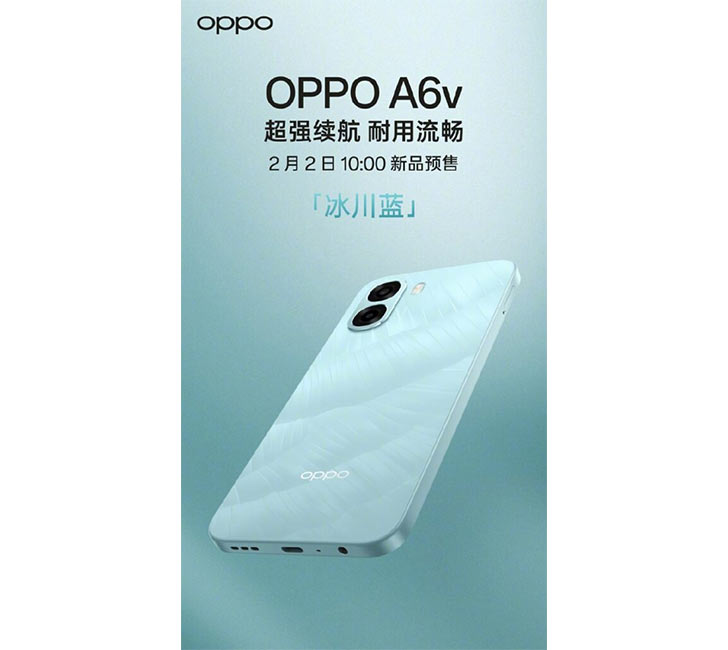
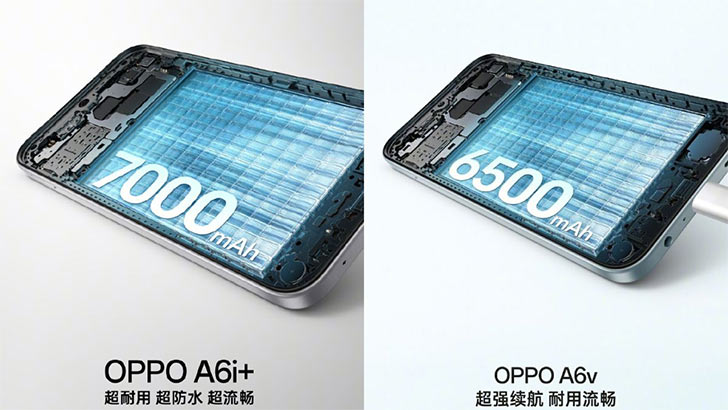
By the way, Oppo A6i+ is built around a smaller 6,500 mAh battery, though it’s a big number in itself. The Oppo A6v takes the lead here with the bigger and better 7,000 mAh cell. They are both doing refills via a 45W wired charging kit.
The only reason Oppo A6i+ has a better IP rating is because of the missing headphone jack. You’ll see a 3.5mm Audio port on the Oppo A6v, though. Their prices are obviously different, and the Oppo A6v (8/256GB) is cheaper at 1,199 Yuan (~PKR 48,000). Oppo A6i+ with the same 8/256GB trim costs 1,499 Yuan (~PKR 60,000). If any of these devices hit the global market, we’ll let you know. Keep watching the news.